 gadgetrevolution71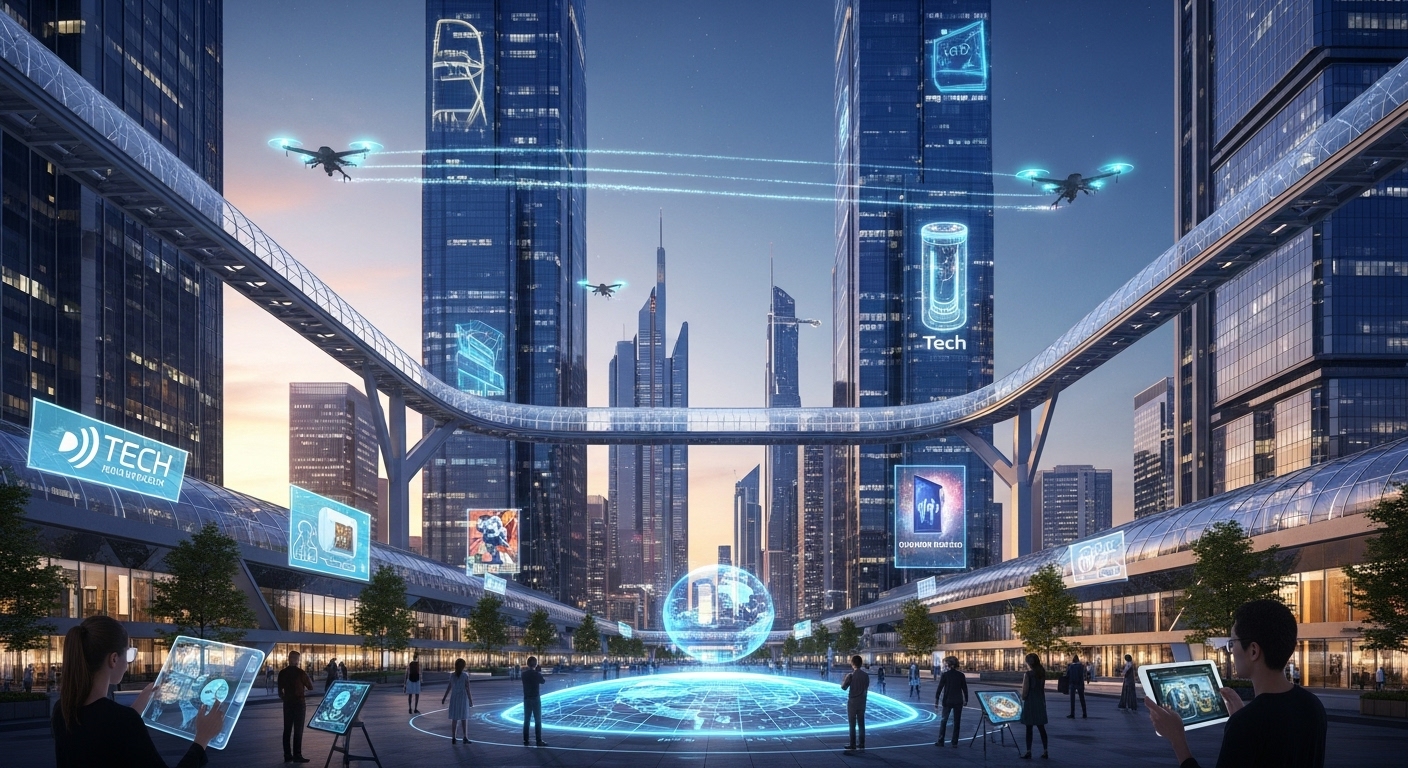
Introduction: The Age of Innovation
In the 21st century, technology is no longer just an accessory to life—it’s the cornerstone of modern society. From artificial intelligence to quantum computing, from wearable devices to blockchain, every aspect of our daily routine is intertwined with technological advancements. The rapid pace of innovation continues to push the boundaries of what’s possible, making it both an exciting and challenging time to navigate the future.
Technology shapes our economy, alters social structures, and even influences how we think. As it continues to evolve, the way we interact with the world—and with each other—is fundamentally changing. This blog will explore the powerful impact technology is having on various sectors, its challenges, and the promising future it holds for humanity.
The Evolution of Technology: From Tools to Transformation
The story of technology begins long before the digital age. Early innovations like the wheel, the printing press, and the steam engine were all pivotal in shaping human civilization. Fast forward to the late 20th century, and the advent of computers and the internet marked a major leap forward, giving rise to the information age.
In the 21st century, we find ourselves in the midst of a digital revolution. The world is becoming more connected, information is more accessible, and our lives are increasingly mediated by technology. Smartphones, cloud computing, and artificial intelligence are no longer futuristic concepts but everyday realities. These innovations have moved us beyond automation into a world where intelligence, autonomy, and efficiency are embedded in the very systems that power modern society.
The Role of Artificial Intelligence in Shaping the Future
Artificial Intelligence (AI) is one of the most transformative technologies of our time. What was once the realm of science fiction is now a reality, with AI permeating every industry from healthcare to finance and transportation. AI systems are capable of learning from data, adapting to new situations, and even making decisions without human intervention.
In healthcare, AI algorithms assist doctors in diagnosing diseases, predicting outcomes, and personalizing treatment plans. In business, AI powers customer service through chatbots, enhances marketing strategies through data analytics, and automates repetitive tasks to improve efficiency. The rise of AI has also led to the development of autonomous vehicles, which are set to revolutionize the transportation industry.
However, AI also raises significant ethical questions. Issues such as data privacy, algorithmic bias, and job displacement must be addressed to ensure that AI benefits society as a whole. As AI becomes more integrated into daily life, it is essential to develop frameworks that govern its use responsibly and ethically.
The Internet of Things (IoT): Connecting the World
The Internet of Things (IoT) refers to the network of interconnected devices that communicate with each other via the internet. These devices can range from household appliances like refrigerators and thermostats to industrial machines and healthcare equipment. IoT has the potential to transform how we live and work by creating smarter environments and improving efficiency.
In smart homes, IoT devices can automate everything from lighting and temperature to security and entertainment. In healthcare, wearable devices like fitness trackers and smartwatches monitor vital signs, track physical activity, and even detect early warning signs of health issues. In industry, IoT can optimize supply chains, monitor equipment health, and predict maintenance needs, leading to significant cost savings and productivity gains.
As the number of connected devices grows, however, so does the need for robust cybersecurity measures. Ensuring the privacy and security of data transmitted across these networks will be a major challenge as IoT continues to expand.
Blockchain: A Secure Digital Future
Blockchain technology, best known for powering cryptocurrencies like Bitcoin, is quickly gaining traction in sectors beyond finance. At its core, blockchain is a decentralized, immutable ledger that records transactions across a network of computers. Its applications extend far beyond digital currencies, offering the potential to disrupt industries such as supply chain management, healthcare, and voting systems.
In supply chains, blockchain enables greater transparency by tracking the origin, movement, and condition of goods in real-time. This helps ensure product authenticity and reduces fraud. In healthcare, blockchain could revolutionize medical records by providing a secure, tamper-proof way to store patient data while maintaining privacy. Blockchain’s ability to create secure, verifiable records could also transform voting systems, making elections more transparent and reducing the risk of fraud.
The promise of blockchain lies in its ability to offer secure, transparent, and efficient transactions without relying on a centralized authority. However, widespread adoption will require overcoming scalability, energy consumption, and regulatory challenges.
The Role of Technology in Education
Education is one of the most profound areas in which technology is making an impact. The traditional model of education, which once relied on physical classrooms and face-to-face interactions, is being replaced with online learning platforms, virtual classrooms, and interactive learning tools. This digital transformation is expanding access to education worldwide, especially in underserved regions.
Online learning platforms like Coursera, Udemy, and Khan Academy are providing millions of people with opportunities to acquire new skills, from coding to digital marketing to personal development. Virtual classrooms and augmented reality (AR) tools enable immersive, hands-on learning experiences that were once impossible. In K-12 education, teachers are using digital tools to enhance the learning process, provide personalized feedback, and engage students in innovative ways.
However, the digital divide remains a challenge. While technology has democratized education in many ways, access to these resources is still limited in certain regions or among certain socioeconomic groups. Ensuring that everyone has equal access to technology and digital literacy will be crucial for the future of education.
Technology and Healthcare: A New Era of Medicine
Advancements in technology are revolutionizing healthcare, making treatments more personalized, efficient, and accessible. The integration of artificial intelligence in medical diagnostics, robotic surgeries, telemedicine, and wearable health devices is transforming how healthcare is delivered to patients.
Telemedicine, for example, allows patients to consult with doctors remotely, eliminating barriers like geography and cost. Wearable devices, such as smartwatches and fitness trackers, continuously monitor health metrics like heart rate, blood pressure, and sleep patterns, providing real-time feedback to users and healthcare providers.
Moreover, technology is advancing medical research, enabling scientists to analyze massive datasets and uncover insights that were once impossible to obtain. Gene editing technologies like CRISPR are opening new frontiers in personalized medicine, offering potential cures for genetic disorders.
Despite these advancements, the healthcare sector must address challenges such as data privacy, security, and the cost of healthcare technology. Ensuring that the benefits of these innovations are accessible to all, regardless of socioeconomic status, will be essential in creating an equitable healthcare system.
The Ethical Implications of Technological Advancement
As technology advances at an unprecedented pace, so too do the ethical questions surrounding its development and use. Issues such as privacy, data security, algorithmic bias, and the potential for job displacement due to automation are becoming more pressing.
The rise of AI and machine learning, for instance, has led to concerns about data privacy and surveillance. Companies and governments have access to vast amounts of personal data, raising questions about who owns this data and how it should be used. Additionally, the potential for AI systems to make biased decisions—based on flawed or incomplete data—has sparked debates on fairness and accountability.
Another significant concern is the impact of automation on the workforce. While automation increases efficiency and reduces costs, it also threatens to displace millions of jobs, particularly in sectors like manufacturing, retail, and transportation. Ensuring that displaced workers are retrained and that new opportunities are created in emerging industries is a challenge that needs to be addressed as technology continues to reshape the economy.
The Future of Technology: Endless Possibilities
Looking ahead, the potential for technological innovation seems boundless. We are on the verge of a new era, where advancements in AI, quantum computing, and biotechnology could change the fabric of society itself. The future will likely see the rise of smart cities, where interconnected systems optimize everything from traffic flow to energy usage. Autonomous vehicles and drones will redefine transportation, while augmented and virtual reality will offer new ways to experience entertainment, education, and social interaction.
Quantum computing promises to solve problems that are currently beyond the reach of classical computers, such as simulating complex molecules for drug discovery or optimizing supply chains at a global scale. Biotechnology could unlock new medical treatments, including cures for diseases that are currently considered incurable.
While the future is filled with exciting possibilities, it will also present challenges in terms of governance, ethics, and social impact. The key to ensuring that technology benefits society will lie in responsible innovation—balancing the promise of new technologies with thoughtful regulation, ethical considerations, and a focus on inclusivity.
Conclusion: Technology as a Catalyst for Progress
Technology has already reshaped our world in profound ways, and its potential to drive progress is limitless. From healthcare to education, business to entertainment, the digital revolution is influencing all aspects of human life. As we continue to advance technologically, the key to a successful future lies in harnessing the power of innovation while addressing the ethical, societal, and economic challenges that come with it.
By promoting responsible innovation and ensuring that the benefits of technology are widely distributed, we can build a future where technology is a tool for social good—a force for progress, equality, and positive change.