 gadgetrevolution71
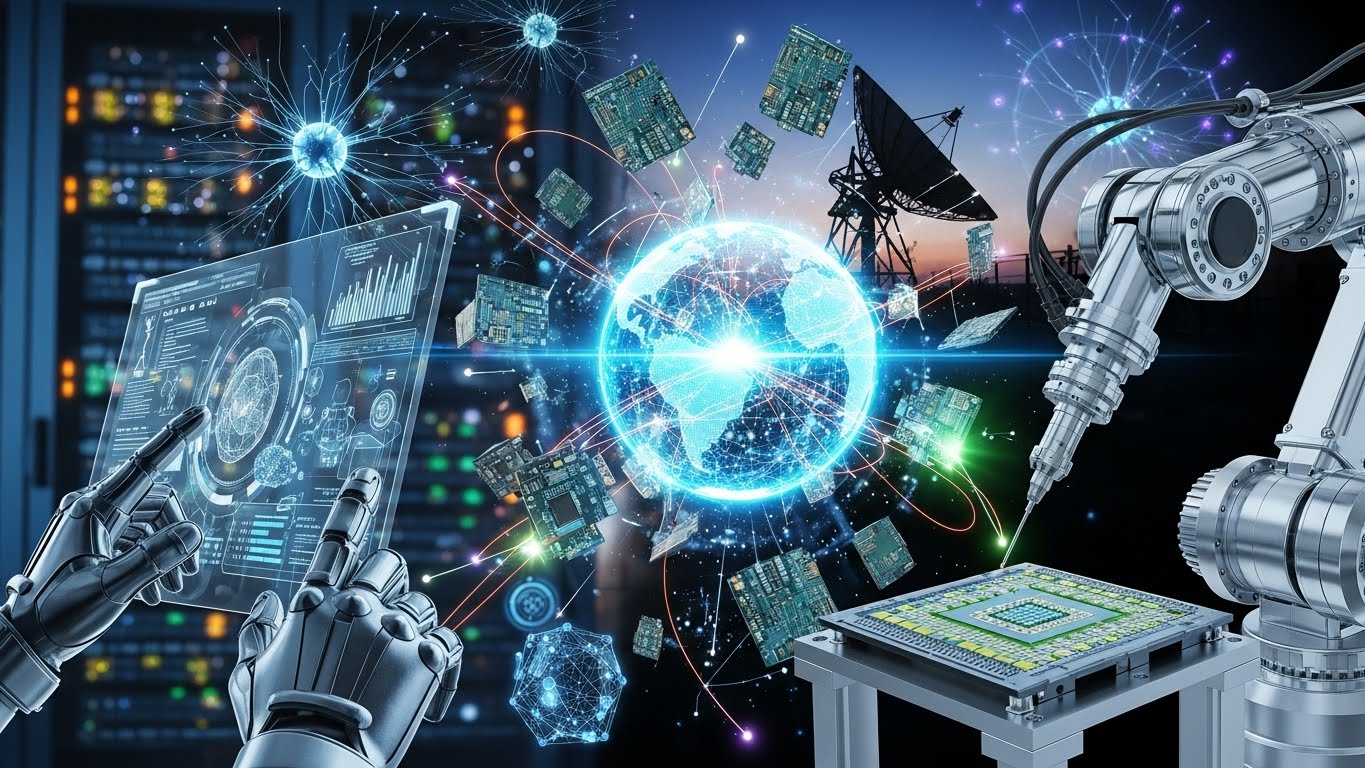
Technology has always been a driving force behind human progress, reshaping the way we live, work, and communicate. From the invention of the wheel to the development of the internet, innovations have consistently redefined human potential. As we stand on the threshold of a new era, technology continues to evolve at an unprecedented pace, promising profound changes that will touch every aspect of our lives. In this blog, we will explore the key technological trends, their potential impacts, and what the future may hold for society.
Artificial Intelligence: The Brain of Modern Technology
Artificial Intelligence (AI) is no longer a concept limited to science fiction. Today, it is at the core of numerous applications, from virtual assistants to predictive analytics and autonomous systems. AI’s power lies in its ability to process massive amounts of data, identify patterns, and make decisions with minimal human intervention. Industries such as healthcare, finance, and transportation are experiencing transformative changes due to AI integration.
In healthcare, AI algorithms analyze medical images with high accuracy, assisting doctors in diagnosing diseases earlier than ever before. In finance, AI-powered tools detect fraudulent activities and optimize investment strategies. Even in everyday life, AI influences our decisions through recommendation systems on e-commerce platforms and streaming services. The potential of AI is vast, but it also raises questions about ethics, privacy, and employment, as machines increasingly perform tasks traditionally handled by humans.
Internet of Things: Connecting the World
The Internet of Things (IoT) is another technological advancement revolutionizing modern life. IoT refers to the network of interconnected devices that communicate and exchange data. Smart homes, wearable technology, and connected vehicles are all examples of IoT in action. By collecting and analyzing real-time data, these devices improve efficiency, convenience, and safety.
For example, smart thermostats learn user habits to optimize energy consumption, reducing both costs and environmental impact. Wearable fitness trackers monitor physical activity and vital signs, offering personalized health recommendations. In agriculture, IoT sensors help farmers track soil conditions and crop health, enabling precision farming that maximizes yield and minimizes resource waste. As IoT networks expand, they promise a more interconnected and responsive world, though concerns about cybersecurity and data privacy remain pressing.
Blockchain Technology: Beyond Cryptocurrency
Blockchain technology, often associated with cryptocurrencies like Bitcoin, has applications far beyond digital currencies. A blockchain is a decentralized ledger that records transactions across multiple computers, making it nearly impossible to alter or hack. This transparency and security make blockchain a game-changer for industries requiring trustworthy record-keeping.
Supply chain management, for instance, benefits from blockchain by tracking products from origin to consumer, ensuring authenticity and reducing fraud. In healthcare, patient records stored on a blockchain could enhance data security while enabling seamless sharing between authorized providers. Even voting systems could leverage blockchain to ensure transparency and prevent election fraud. As trust becomes increasingly valuable in a digital world, blockchain technology offers a foundation for secure and transparent operations.
5G Networks: Accelerating Connectivity
The rollout of 5G networks is set to revolutionize connectivity by offering faster speeds, lower latency, and higher capacity than previous generations of wireless technology. This advancement will enable innovations that were previously impractical or impossible, including augmented reality applications, real-time remote surgeries, and autonomous vehicle networks.
With 5G, downloading large files or streaming high-definition content becomes almost instantaneous, while latency-sensitive applications, such as virtual reality gaming or industrial automation, operate seamlessly. Beyond consumer benefits, 5G empowers businesses to develop smarter infrastructure, optimize logistics, and enable real-time monitoring of critical systems. The widespread adoption of 5G is expected to be a cornerstone in the development of smart cities and the broader digital economy.
Augmented Reality and Virtual Reality: Redefining Experiences
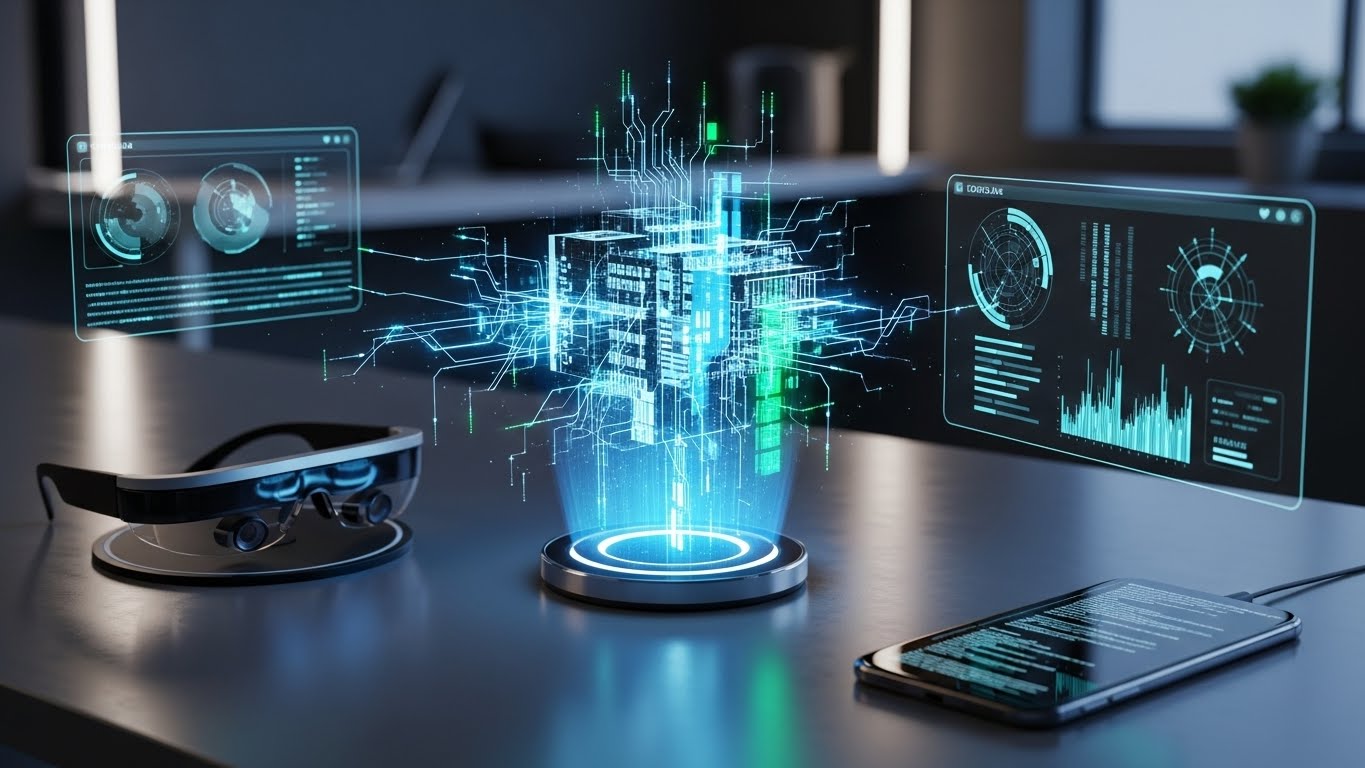
Augmented Reality (AR) and Virtual Reality (VR) are changing the way we interact with digital content. AR overlays digital information onto the real world, while VR immerses users in entirely virtual environments. Both technologies have applications in gaming, education, healthcare, and marketing.
In education, AR and VR create interactive learning experiences, allowing students to explore historical sites, complex scientific phenomena, or even distant planets without leaving the classroom. In healthcare, surgeons use VR simulations to practice procedures, enhancing precision and reducing risks. Retailers employ AR to allow customers to visualize products in their homes before making a purchase. As hardware becomes more affordable and software more sophisticated, AR and VR are poised to become mainstream tools for both entertainment and productivity.
Robotics: From Automation to Companionship
Robotics has advanced far beyond industrial assembly lines. Modern robots are versatile, capable of performing tasks ranging from precision surgery to household chores. They are increasingly equipped with AI, allowing them to learn and adapt to their environments.
Industrial robots enhance manufacturing efficiency, quality, and safety by handling repetitive or dangerous tasks. Service robots in hospitality and healthcare provide assistance and companionship, addressing labor shortages and improving quality of life. Additionally, research in humanoid robots and social robotics aims to create machines capable of interacting naturally with humans, potentially transforming caregiving and education. The integration of robotics into daily life raises questions about human-robot relationships and the ethical considerations of automation.
Quantum Computing: Unlocking New Possibilities
Quantum computing represents a paradigm shift in computational power. Unlike classical computers that process information in binary bits, quantum computers use quantum bits or qubits, which can exist in multiple states simultaneously. This allows quantum computers to solve complex problems exponentially faster than traditional systems.
Quantum computing holds promise for breakthroughs in medicine, materials science, cryptography, and artificial intelligence. For example, it could accelerate drug discovery by simulating molecular interactions in ways that classical computers cannot. In cryptography, quantum computing poses both a challenge and an opportunity: while it could break current encryption methods, it also enables the development of virtually unbreakable encryption. Although still in its early stages, quantum computing represents a glimpse into a future where previously impossible calculations become feasible.
Sustainable Technology: Innovation for a Greener Future
As technology advances, so does its impact on the environment. Sustainable technology focuses on reducing ecological footprints while maintaining innovation and efficiency. Renewable energy solutions, electric vehicles, energy-efficient devices, and smart grids are examples of how technology addresses environmental challenges.
Solar panels, wind turbines, and energy storage solutions are making clean energy more accessible and reliable. Electric vehicles reduce greenhouse gas emissions and dependence on fossil fuels, while smart grids optimize energy distribution to minimize waste. Even in manufacturing, advances in materials science and recycling techniques are promoting circular economies. The integration of sustainability into technological development is not just a trend; it is a necessity for ensuring a livable planet for future generations.
Cybersecurity: Protecting the Digital Frontier
As technology becomes more integrated into daily life, cybersecurity becomes increasingly critical. Cyberattacks threaten personal privacy, business operations, and national security. Protecting digital assets requires a combination of advanced encryption, AI-powered threat detection, and user awareness.
Businesses are adopting proactive cybersecurity measures, including multi-factor authentication, intrusion detection systems, and regular security audits. Governments are establishing cybersecurity frameworks and policies to safeguard critical infrastructure. For individuals, basic practices such as strong passwords, regular software updates, and cautious online behavior remain essential. As the digital landscape evolves, cybersecurity will remain a cornerstone of trust and stability in the technological ecosystem.
The Human-Tech Relationship: Balancing Innovation and Ethics
While technological advancements offer immense benefits, they also raise ethical, social, and economic questions. The automation of jobs, privacy concerns, AI decision-making, and the digital divide are challenges that require careful consideration. Balancing innovation with ethics is crucial to ensure technology serves humanity rather than undermining it.
Education and awareness play a pivotal role in this balance. By understanding the implications of technology, individuals and organizations can make informed decisions that maximize benefits while minimizing harm. Collaboration between governments, businesses, and society is necessary to establish standards, regulations, and best practices that guide responsible technological development. Ultimately, technology should empower humans, enhance quality of life, and promote equitable opportunities for all.
Conclusion: Embracing the Technological Revolution
The next decade promises a technological revolution that will reshape society in ways previously unimaginable. Artificial intelligence, the Internet of Things, blockchain, 5G, AR and VR, robotics, quantum computing, sustainable technology, and cybersecurity are just a few of the innovations driving this transformation. As these technologies evolve, they will bring both opportunities and challenges, requiring thoughtful integration and ethical consideration.
Embracing the future means staying informed, adaptable, and proactive in leveraging technology for positive impact. By understanding emerging trends and their implications, individuals and organizations can harness the power of technology to create a more connected, efficient, and sustainable world. The future of technology is not merely about machines or software—it is about enhancing human potential and building a society that thrives alongside innovation.