 gadgetrevolution71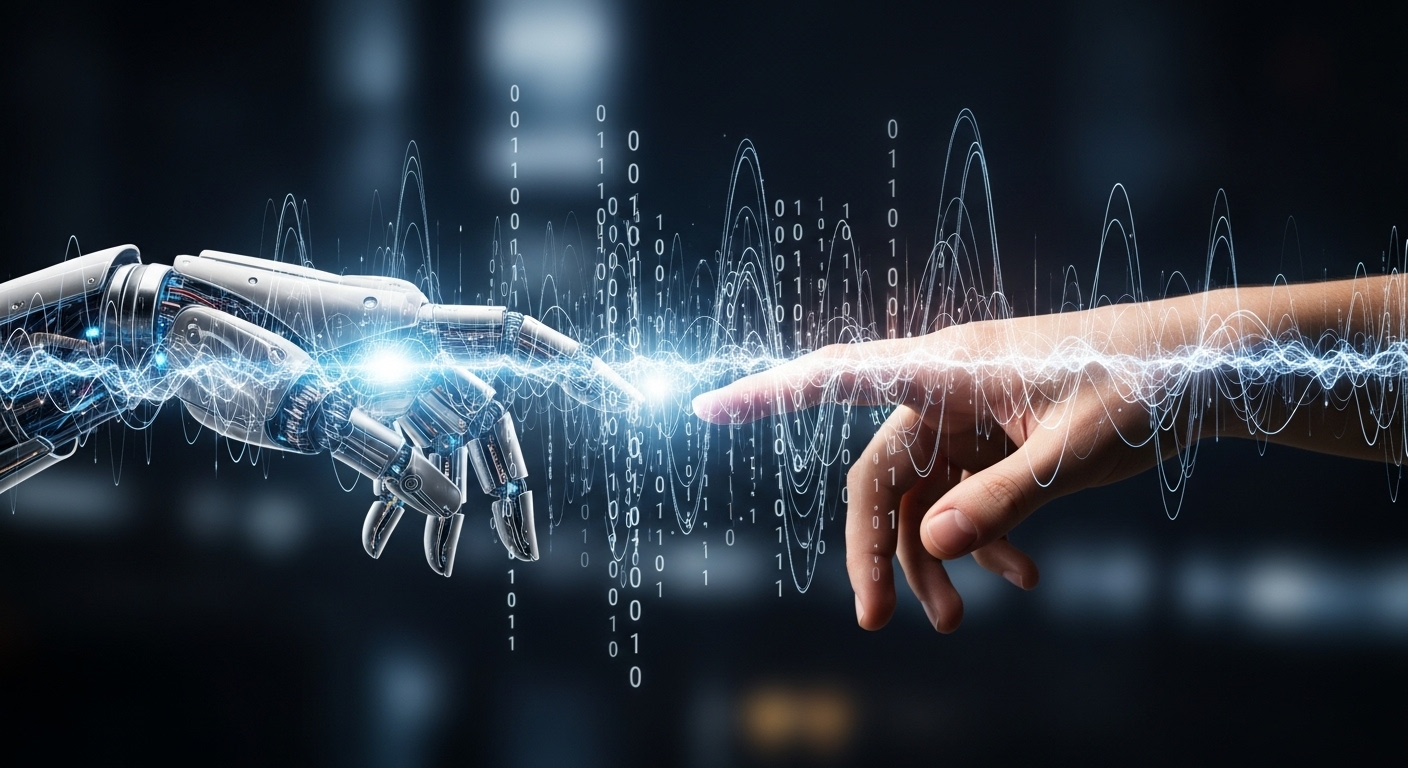
Technology has become an inseparable part of human existence. From the moment we wake up to the time we go to sleep, we are surrounded by innovations that shape how we work, learn, communicate, and even think. The evolution of technology has transformed civilizations, driven economies, and opened the door to endless possibilities for the future. The digital age has given rise to advancements faster than any other era in history, and we stand at a point where technology is redefining what it means to live in this world. This blog explores the journey of technology, its current landscape, and its limitless future, diving deep into concepts, innovations, challenges, and the human element behind every breakthrough.
The Journey from Simple Tools to Smart Machines
The roots of technology can be traced back to the earliest humans who crafted stone tools. These crude instruments marked the beginning of creating solutions to make life easier. As centuries passed, human curiosity and intelligence fueled remarkable inventions, such as the wheel, agricultural tools, and later, machines of the Industrial Revolution. Steam engines mechanized industries, reducing dependence on manual labor. As time progressed, electricity became a revolutionary energy source that gave birth to new inventions like the light bulb, telegraph, and telephone. These inventions laid the foundation for global connectivity and communication. The 20th century witnessed the birth of computers, which entirely reshaped the technological landscape. What started as room-sized machines used for military and mathematical calculations became smaller, faster, and more intelligent.
The Age of Computers and the Digital Transition
Computers ushered in the digital era. Initially limited to government and research facilities, computers eventually became accessible to businesses and households. The development of personal computers made digital technology a part of everyday life. Programming languages like BASIC, C, and later Python and Java empowered engineers to instruct machines, creating software capable of solving real-world problems. The integration of graphical user interfaces made computers user-friendly and revolutionized the way people interacted with machines. The rise of operating systems further streamlined tasks and improved productivity. This digital transition paved the way for the internet, which brought global connectivity to an unprecedented level.
Internet: The Thread Connecting the World
The internet stands as one of the most transformative technologies in human history. What began as a military communication system evolved into a global network connecting billions of devices and people across continents. Email replaced traditional mail, search engines replaced encyclopedias, and websites replaced physical storefronts. Information became accessible within seconds, and knowledge-sharing became easier than ever. Social media platforms connected friends, families, and strangers across the globe. Businesses realized the potential of the internet and adopted it for marketing, customer support, and e-commerce. The transformation did not stop there. The internet birthed the cloud, artificial intelligence, the Internet of Things, and many other innovations that define modern life.
The Smartphone Revolution
The evolution of technology took a dramatic leap with the introduction of smartphones. A smartphone is more than a communication device; it is a pocket-sized computer capable of performing tasks that once required multiple machines. From browsing the internet to taking high-resolution photos, storing documents, playing games, and managing work remotely, smartphones redefined convenience. Mobile applications expanded the functionality of smartphones, creating a digital ecosystem where users could shop, bank, learn, and entertain themselves. Touchscreens, sensors, GPS, and artificial intelligence made smartphones smarter and more intuitive. Today, billions of people depend on smartphones for communication, navigation, education, and daily tasks, making them one of the most impactful innovations of the modern era.
Artificial Intelligence: Machines That Learn and Think
Artificial Intelligence, or AI, is transforming the technological world like no other innovation. AI refers to machines capable of performing tasks that require human intelligence such as learning, problem-solving, and decision-making. Machine learning and deep learning are subsets of AI that allow machines to learn from data and improve performance without being explicitly programmed. AI is now used in virtual assistants, image recognition, fraud detection, healthcare diagnostics, and many other areas. AI-powered tools can analyze large datasets within seconds, find hidden patterns, and predict outcomes. In the field of healthcare, AI helps in detecting diseases like cancer at early stages. In finance, AI models assess risks and automate transactions. In education, AI personalizes learning experiences. AI is also playing a key role in autonomous vehicles, robotics, and smart cities.
The Internet of Things: A Connected Ecosystem
The Internet of Things, commonly known as IoT, refers to the network of devices connected to the internet that communicate and exchange data. These devices include everyday objects like smartwatches, refrigerators, thermostats, cars, and industrial machines. IoT enables automation and enhances efficiency. Smart homes are a perfect example of IoT in action. From controlling lights and air conditioning to managing security cameras and appliances through smartphones, IoT brings convenience to daily life. In industries, IoT-powered sensors monitor equipment, predict maintenance needs, and reduce operational costs. In agriculture, IoT helps farmers monitor soil conditions, weather patterns, and crop health. The connected ecosystem of IoT promises a future where everything is automated, data-driven, and efficient.
Cloud Computing: The Backbone of Modern Technology
Cloud computing has revolutionized how data is stored, accessed, and processed. Instead of relying on physical storage devices, cloud computing enables users to store data on remote servers and access it from anywhere in the world. This technology supports businesses, governments, and individuals by providing scalable computing resources. Services like data storage, software applications, and virtual machines are hosted on cloud platforms. Cloud computing offers flexibility, cost-efficiency, and accessibility. It also supports innovations like AI and IoT by providing the required infrastructure and storage. Organizations can now collaborate seamlessly, manage large projects, and back up critical data without physical storage limitations. Cloud technology has also contributed to the growth of remote work by enabling digital workspaces and virtual collaboration tools.
Cybersecurity: Protecting the Digital World
As technology advances, so do the risks associated with it. Cyberattacks, data breaches, and identity theft pose significant threats to individuals and organizations. Cybersecurity is the practice of protecting networks, systems, and data from digital attacks. These threats come in various forms, including malware, phishing, ransomware, and hacking. Cybersecurity measures include encryption, firewalls, antivirus software, two-factor authentication, and security policies. Companies invest in cybersecurity to safeguard customer data and maintain trust. With the rise of digital payments, online banking, and cloud services, cybersecurity has become more critical than ever. Governments are also implementing regulations to protect citizens’ data and privacy. As technology continues to grow, the importance of cybersecurity will only increase.
Emerging Technologies Shaping the Future
The future of technology is filled with groundbreaking innovations that promise to reshape the world. Technologies like quantum computing, blockchain, augmented reality, virtual reality, and biotechnology are leading this transformation. Quantum computing uses the principles of quantum mechanics to process information at speeds unimaginable by traditional computers. Blockchain provides secure, transparent, and decentralized systems for digital transactions and data management. Augmented reality overlays digital elements onto the real world, enhancing user experiences in education, healthcare, and gaming. Virtual reality creates immersive digital environments used for training, simulation, and entertainment. Biotechnology integrates biology and technology to improve healthcare, agriculture, and environmental sustainability. These emerging technologies will play a crucial role in solving global challenges.
How Technology Impacts Education
Technology has revolutionized education by making learning more accessible, interactive, and personalized. Online learning platforms enable students to access courses from anywhere in the world. Digital classrooms allow teachers to engage students through multimedia content, quizzes, and interactive tools. Virtual labs simulate real-life experiments, enabling students to practice without physical equipment. Artificial intelligence personalizes learning experiences based on a student’s strengths and weaknesses. Educational apps offer games, tutorials, and resources tailored to different age groups. During global crises, technology helped schools continue education through remote learning. Technology also supports teachers by simplifying grading, attendance, and lesson planning. The future of education will likely blend traditional methods with digital innovations.
Technology in Healthcare: Saving Lives with Innovation
Healthcare has greatly benefited from technological advancements. Medical devices like MRI machines, CT scanners, and robotic surgical systems allow doctors to diagnose and treat diseases more accurately. Wearable devices monitor heart rate, blood pressure, and physical activity, helping individuals manage their health. Telemedicine enables patients to consult doctors from the comfort of their homes. AI-powered systems analyze medical images and predict diseases. Biotechnology has contributed to vaccine development, genetic engineering, and personalized medicine. Electronic health records make it easier for doctors to access patient history. Technology also helps in managing hospitals, scheduling appointments, and tracking medical supplies. These innovations have increased life expectancy and improved the quality of healthcare.
Technology in Business and Industry
Businesses across all sectors are adopting technology to improve efficiency, productivity, and customer satisfaction. Automation reduces manual labor and speeds up production. Artificial intelligence helps businesses analyze customer behavior and make informed decisions. Digital marketing enables companies to reach a wider audience. E-commerce platforms allow businesses to sell products online and provide seamless user experiences. Supply chain management systems track the movement of goods from factories to customers. Robotics is used in manufacturing, logistics, and warehousing to perform repetitive tasks. Technology also enhances communication within organizations through email, video conferencing, and collaboration tools. Cloud computing enables businesses to scale operations without large investments in hardware.